Passport to English Logo

Lesson 7 - Food
Navigation: Home Advanced Level Lesson 7 → Vocabulary
Pages in this lesson: Vocabulary - Grammar - Listening - Dialogue - Reading - Expressions - Dictation - Game
This page: Learn cooking vocabulary in English - ingredients, cooking verbs, cooking measurements.
Cooking Vocabulary in English

Cooking Vocabulary in English

Click on the word to hear its pronunciation and repeat it.

Ingredients in English

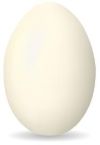
egg
a food from a chicken used in cooking and baking
vanilla
a flavor used to make food taste sweet
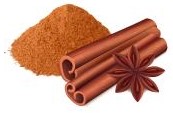
cinnamon
a brown spice used to add flavor to food
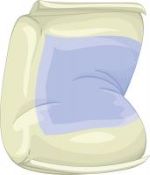
flour
a white powder used to make bread, cakes, and cookies
sugar
a sweet ingredient added to food and drinks
oil
a liquid used for cooking and baking
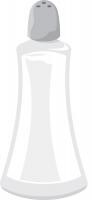
salt
a mineral used to add flavor to food
pepper
a spice that adds a little heat or flavor
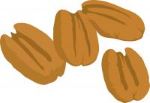
nuts
hard foods that grow on trees and are eaten as snacks or in recipes
baking powder
an ingredient that helps food rise when baked
baking soda
a powder used in baking to help food rise


Exercise - Ingredients

Select the name of the ingredient.
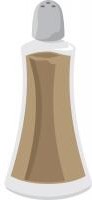
1.
   

    nuts


2.
   

    egg


3.
   

    flour


4.
   

    vanilla


5.
   

    pepper


6.
   

    cinnamon


7.
   

    salt


8.
   

    oil


Cooking verbs in English

add
to put something together with something else
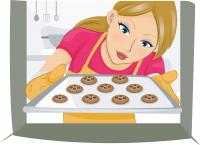
bake
to cook food in an oven
beat
to mix quickly with a spoon, fork, or mixer
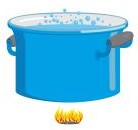
boil
to cook food in very hot water
chop
to cut food into small pieces
cook
to prepare food by heating it
cool
to make something less hot
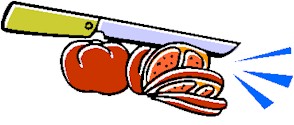
cut
to divide food with a knife
fry
to cook food in hot oil
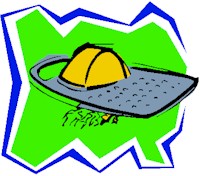
grate
to rub food against a rough surface to make small pieces
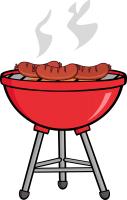
grill
to cook food over direct heat
melt
to change from solid to liquid with heat
mix
to combine ingredients together
peel
to remove the skin of food
pour
to make a liquid flow from one container to another
slice
to cut food into thin pieces
steam
to cook food with hot steam
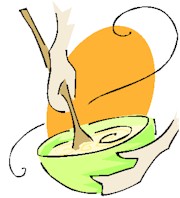
stir
to move food around with a spoon


Exercise - Cooking verbs

Select the verb.

1.
   

    grill


2.
   

    stir


3.
   

    beat


4.
   

    slice


5.
   

    bake


6.
   

    grate


7.
   

    boil


8.
   

    pour


9.
   

    melt


10.
   

    peel


Kitchen Measurements in English

teaspoon
a small spoon used to measure a small amount (approximately 5 ml)
tablespoon
a larger spoon used to measure ingredients (approximately 15 ml)
cup
a container used to measure liquids or dry ingredients (approximately 240 ml)
1/2
half
1/3
one third
1/4
one fourth
1/8
one eighth


Past Participles

The past participle of the verb is used with the present perfect tense. The past participle is generally formed by adding the letters -ed to the end of the verb (the same way we form the past tense). However, there are many irregular past participle forms. Sometimes the past tense and the past participle are the same, and sometimes they are different. In each of the first lessons of the Advanced Level, we have learned some of the irregular past participle forms. The following table contains a list of some irregular past participle forms and their corresponding past tense forms for review.

Verb Past Participle
make made made
tell told told
think thought thought
throw threw thrown
win won won

pdf list of irregular verbs


Exercise - Sentences with irregular verbs

Use your imagination to write sentences in the blanks using irregular verbs. (Since there are so many possible answers, this exercise cannot be corrected.)

Example:
go: went - gone
Past

Participle


make: made - made
Past

Participle


tell: told - told
Past

Participle


think: thought - thought
Past

Participle


throw: threw - thrown
Past

Participle


win: won - won
Past

Participle


Exercise - Irregular verbs

Fill in the table with the irregular verbs and then click the CHECK button. (If you type a space after the word, the computer will interpret it as an error when checking.)

Verb Past Participle
make
tell
think
throw
win


Exercise - Present, Past, or Participle

Write the verb in parentheses in the correct form (present, past, or participle) in the sentences below.

        example
        He's (find) a lot of interesting books at the library.
 

1. He has (make) a lot of money in that business.  
   

2. My friend (send) me a letter.  
   

3. She (win) the lottery!  
   

4. He has (tell) everyone the secret!  
   

5. She's (pay) a lot of money.  
   

6. They (think) of a good idea.  
   

7. We've (swim) in the pool every day.  
   

8. The children have (go) to that school for two years.  
   

9. I've (throw) all of the papers into the trash can.  
   

10. He (know) the answer to the question on the the test yesterday.  


Next
The verbs make and do


Advanced English - Lesson 7 - Food
Vocabulary - Grammar - Listening - Dialogue - Reading - Expressions - Dictation - Game


Video English Lessons

Do you prefer to learn English with short video lessons? Follow us on our "The English Minute" YouTube Channel.


Important Links

Beginning - Intermediate - Advanced - Teachers

Pronouns - Pronunciation Rules - Verbs - Irregular Verbs

Vocabulary - Grammar - Pronunciation - Spelling

Common Words - Study Abroad

Dialogues - Reading